
Dyslexia Assessments
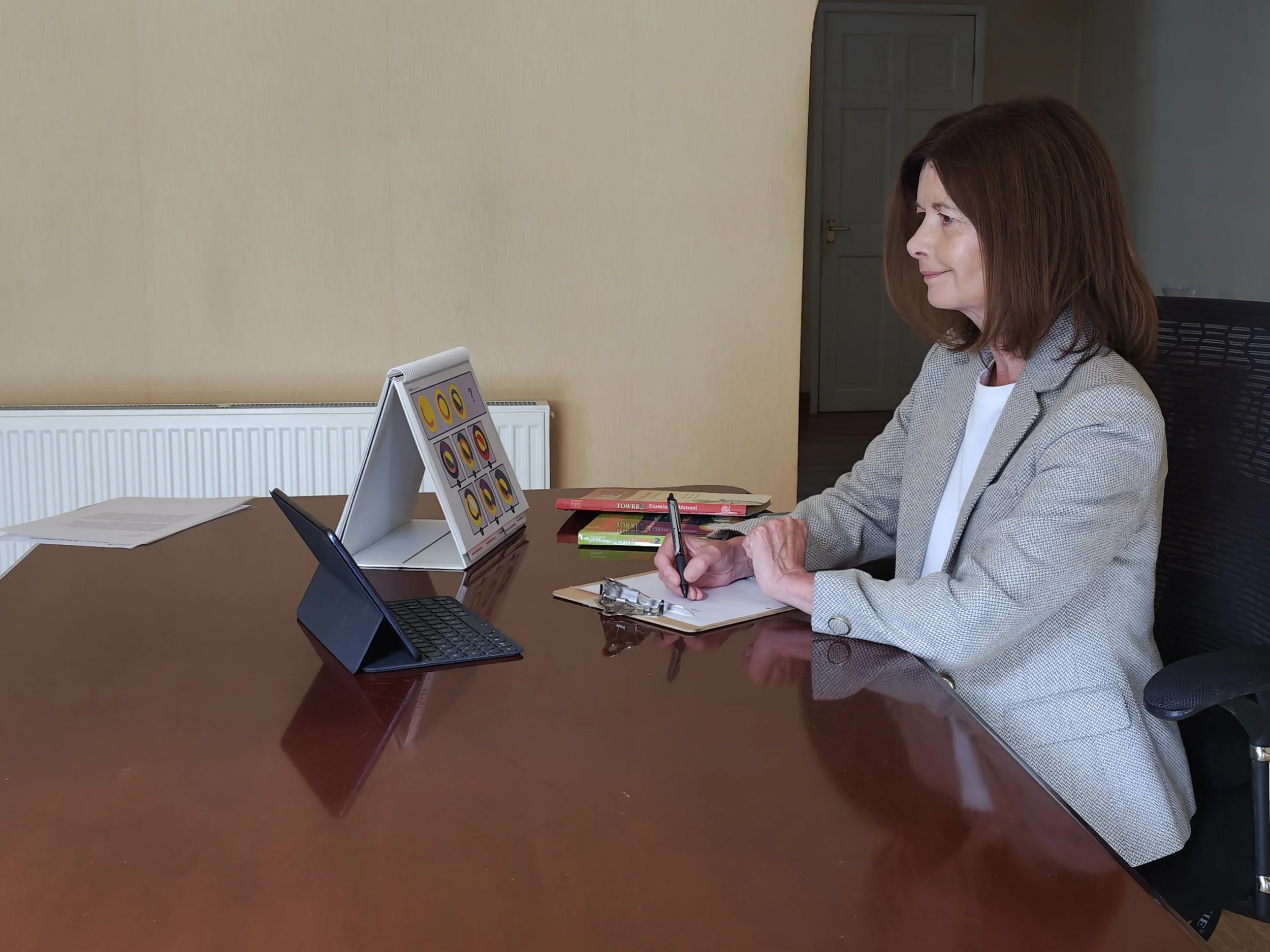
A full dyslexia assessment provides a clear understanding of an individual’s unique profile of strengths and difficulties.
For children, this can help guide effective support in school and build confidence in learning. For adults, an assessment can bring clarity to long-standing challenges and help identify appropriate support for work or further study.
Assessment Options and Fees
Full Diagnostic Dyslexia Assessment
Children
Ages 8-16
£395
A full diagnostic dyslexia assessment typically takes between 2 and 3 hours.
The assessment considers a range of evidence to build a detailed picture of your child's learning profile. Where the evidence supports a diagnosis of dyslexia, this will be clearly explained in your assessment report.
Assessment includes:
• Pre-assessment consultation and background review
• Cognitive processing, memory and processing speed
• Phonological processing
• Reading, spelling and writing
• Consideration of the evidence as a whole to inform the diagnostic outcome
• Comprehensive written report
• Individualised recommendations for school support and intervention
Full Diagnostic Dyslexia Assessment
Adults
Ages 17+
£395
A full diagnostic dyslexia assessment typically takes between 2 and 3 hours.
The assessment considers a range of evidence to build a detailed picture of your learning profile. Where the evidence gathered supports a diagnosis of dyslexia, this will be clearly explained in your assessment report.
Assessment includes:
• Pre-assessment consultation and background review
• Cognitive processing, memory and processing speed
• Phonological processing
• Reading, spelling and writing
• Consideration of the evidence as a whole to inform the diagnostic outcome
• Comprehensive written report
• Individualised recommendations for study, education or the workplace
From your first enquiry to receiving your report, I aim to make the assessment process clear, straightforward and supportive.
The Assessment Process
What to expect
01
Initial Enquiry
Get in touch to discuss your assessment needs and any initial questions you may have. If after discussing your requirements, we decide that an assessment is appropriate, you will be sent an email containing a secure link to complete a background questionnaire.
→
02
Background Information
Relevant background and educational information is gathered through a secure online questionnaire before the assessment. This helps to build an understanding of the individual’s development, educational history, learning experiences and any areas of difficulty that may be relevant to the assessment. The questionnaire also includes any appropriate permissions or consent required.
→
03
Your Assessment
A range of standardised activities is used to explore strengths and areas of difficulty. These look at relevant areas of cognitive processing, literacy and learning, helping to build a clear picture of the individual’s skills, strengths and areas where they may need support.
→
04
Understanding the Results
The assessment considers all the evidence gathered to build a clear picture of the individual’s strengths and areas of difficulty.
Where the evidence supports a diagnosis of dyslexia, this will be clearly explained in the assessment report. An assessment does not automatically result in a diagnosis, and where the evidence does not support a diagnosis, the report will explain the findings and any areas where further support may be helpful.
→
05
Your Report
You will receive a comprehensive written report explaining the assessment findings, diagnostic outcome and practical recommendations.
You will receive your report within 14 days after your assessment appointment.
Once you have received your completed report, a follow-up call can be arranged to discuss the findings and answer any questions you may have.
Every assessment is tailored to the individual, with time taken to understand their unique profile and needs.
Where will my assessment take place?
Once your assessment date has been finalised, Karen will arrange an appropriate venue that provides a quiet, private and comfortable environment with suitable facilities and accessibility where required.
The exact location and venue details will be confirmed with you in advance of your assessment.
School-Based Dyslexia Screening
A practical screening service to help schools gain a clearer understanding of a pupil's learning profile and identify whether further assessment or targeted support may be appropriate.
£195 per pupil
Group rates are available for schools wishing to screen multiple pupils.
Who is it for?
This screening may be helpful for pupils who:
continue to experience difficulties with reading, spelling or writing despite appropriate support
are making slower than expected progress
have concerns around memory, processing or literacy
may benefit from further assessment or more targeted support
What does it include?
The screening includes:
Individual face-to-face screening
Exploration of key literacy and learning areas
Review of strengths and areas of difficulty
A clear summary of findings
Practical recommendations for appropriate support
School-based screening is not a full diagnostic dyslexia assessment. It is designed to help identify areas of strength and difficulty and whether further assessment or targeted support may be appropriate.
Take the next step
If you are considering a dyslexia assessment and would like to talk through your circumstances, I am happy to answer your questions and help you decide what type of assessment may be appropriate. There is no obligation, simply an opportunity for you to ask questions and find out more.